



₨600
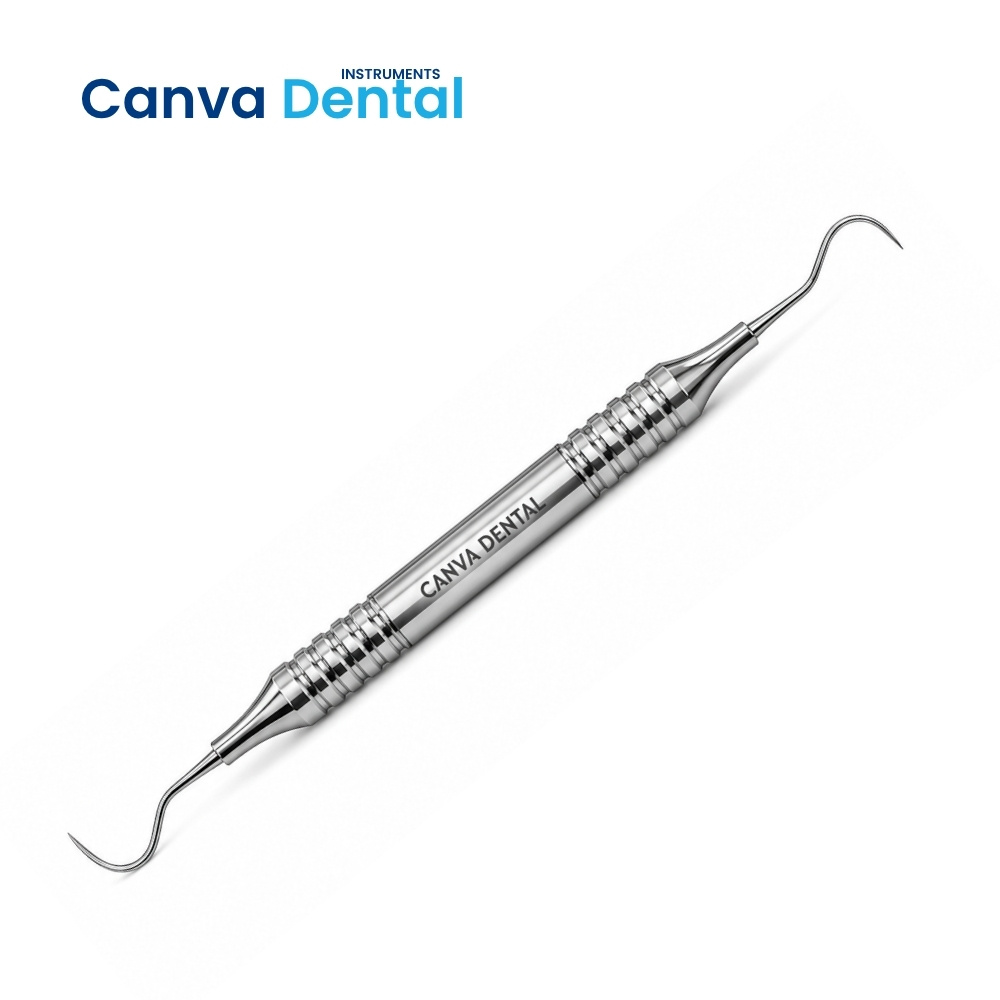
The Dental Explorer is one of the most commonly used diagnostic instruments in modern dentistry. Dentists use this instrument to examine tooth surfaces, detect cavities, identify calculus deposits, and evaluate overall oral conditions during routine checkups. Because diagnostic accuracy plays a major role in treatment planning, professionals rely on high-quality explorers for precise examination procedures.
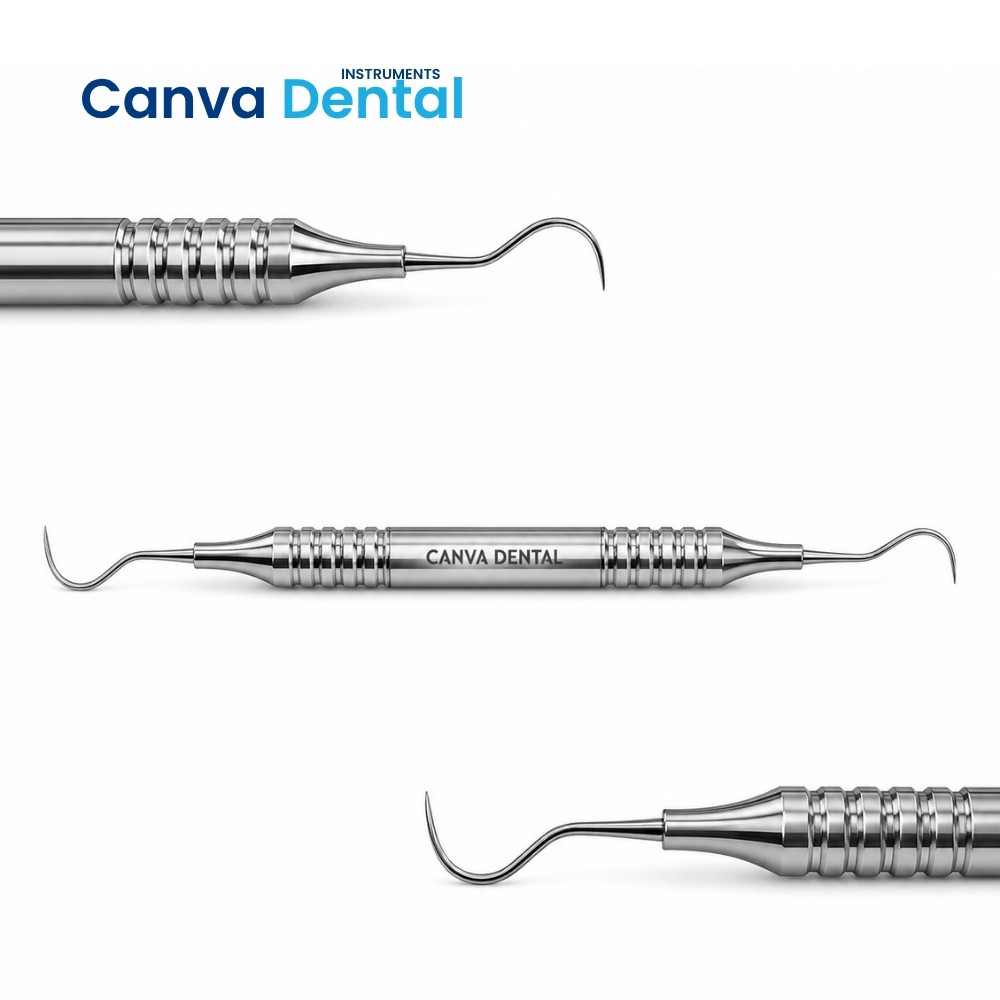
This double ended explorer provides greater flexibility during clinical use. Each end features a fine working tip that helps dentists access difficult areas inside the mouth more effectively. As a result, the instrument supports better visibility and improved tactile feedback during examinations.
In daily practice, dental professionals often use the dental explorer together with mirrors and periodontal probes to perform complete oral assessments. Therefore, it remains an essential part of every dental diagnostic setup.
This instrument combines precision, balance, and comfortable handling to support detailed oral examinations.
Additionally, the slim tip design helps dentists detect irregularities on tooth surfaces more accurately. The balanced handle also improves grip stability during lengthy examination procedures.
Dental examinations require careful inspection of tooth structure and surrounding tissues. Therefore, dentists use specialized instruments that provide precise tactile sensitivity and controlled movement.
The dental explorer supports several important clinical functions:
Furthermore, the double ended design allows dentists to switch between working angles quickly during examinations. This improves efficiency and helps access different areas of the mouth more comfortably.
Dental professionals commonly use this instrument for:
Many clinics also combine diagnostic instruments with periodontal probes, dental mirrors, and restorative dental instruments for complete examination setups.
Dental diagnostic instruments come into direct contact with oral tissues during examinations. Therefore, proper sterilization remains essential after every procedure.
Healthcare organizations such as the World Health Organization provide guidance on infection prevention and instrument hygiene standards in clinical environments.
Similarly, many dental professionals follow recommendations shared by the American Dental Association regarding diagnostic procedures, instrument handling, and patient safety practices.
Dental students, clinics, and hospitals across Pakistan use diagnostic explorers daily during oral examination procedures. This instrument offers a reliable solution for professionals who require precision, durability, and consistent performance in routine dental diagnostics.
Q: What is a dental explorer used for?
Dentists use it to detect cavities, examine tooth surfaces, and perform oral diagnostic procedures.
Q: Why is the instrument double ended?
The double ended design improves access and allows dentists to work from different angles more efficiently.
Q: Can this instrument be sterilized in an autoclave?
Yes, the stainless steel construction supports repeated sterilization procedures.
Q: Do dentists use explorers during routine checkups?
Yes, explorers are essential instruments during routine dental examinations and diagnostics.
For complete clinical setups, explore all dental instruments here: CLICK
Reviews
There are no reviews yet.