



₨230 – ₨450Price range: ₨230 through ₨450
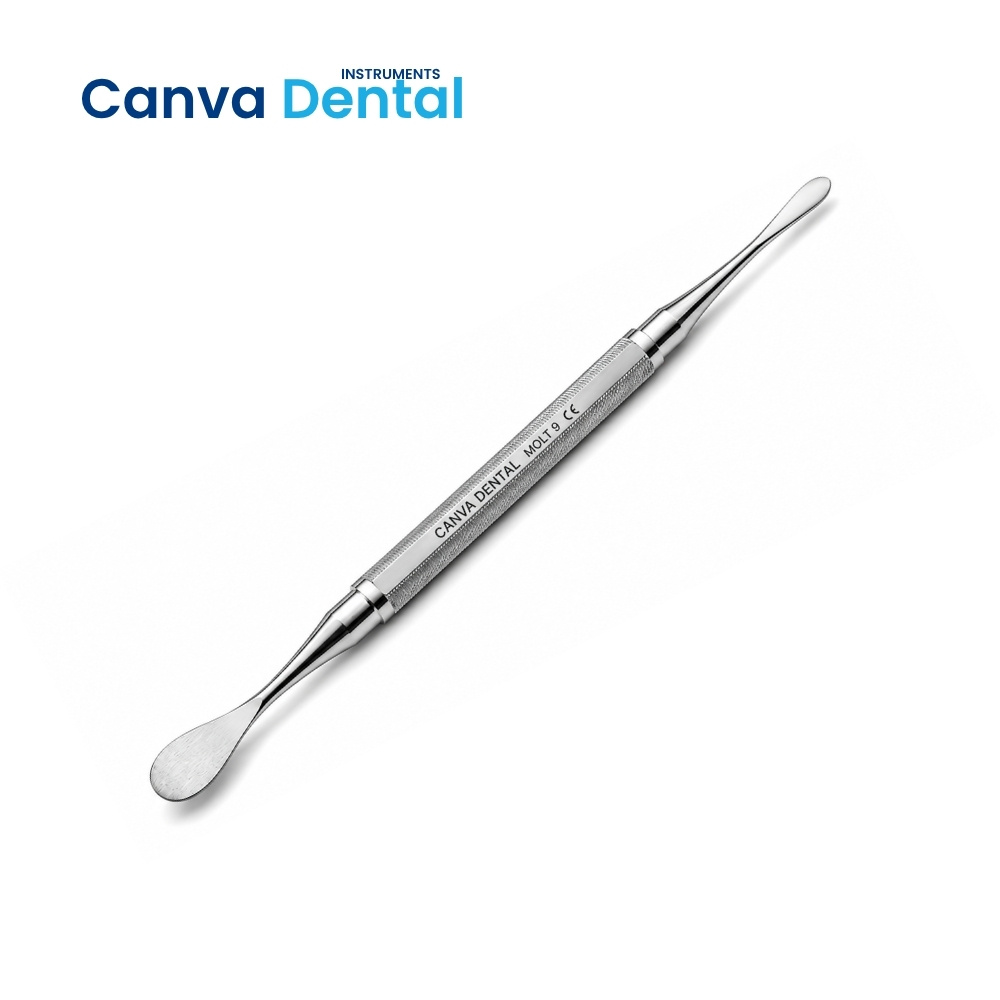
The Molt 9 Periosteal Elevator is one of the most essential instruments in oral surgery. Surgeons and dentists use this instrument to reflect mucoperiosteal flaps from alveolar bone. It separates the soft tissue cleanly from bone surfaces. This creates the surgical access needed for extractions, implant placement, and periapical procedures. Because clean flap reflection directly affects tissue healing, the Molt 9 elevator remains a standard instrument on every oral surgical tray worldwide.
In addition, this elevator works as a general soft tissue separator. It lifts gingival tissues away from root surfaces and bone margins. As a result, oral surgeons, general dentists, and dental students all rely on it daily. It suits both simple and complex surgical procedures equally well.
The Molt 9 periosteal elevator dental instrument is a double-ended hand instrument. One end carries a sharp, pointed blade. The other end carries a broader, rounded blade. Each end serves a specific role during flap reflection. The pointed end initiates the incision line reflection. It separates the papilla and marginal gingiva first. The broader end then completes the full flap elevation away from the bone surface. Therefore, one instrument handles the entire flap reflection sequence without a tray change.
The number “9” identifies this specific design within the Molt periosteal elevator series. Molt elevators come in several numbered designs. Each number represents a different blade profile. The Molt 9 is the most widely used design in general oral surgery. Moreover, it is the first periosteal elevator most dental students learn to use. Consequently, it appears on virtually every oral surgery instrument list in dental curricula worldwide.
A periosteal elevator separates the periosteum from bone. The periosteum is a dense fibrous layer that covers the outer bone surface. It adheres tightly to cortical bone. Elevating the periosteum intact maintains the blood supply to the bone beneath. This is critical for bone healing after surgery. Therefore, the Molt 9 elevator uses a specific edge geometry. It slips between bone and periosteum without tearing through it. In contrast, a torn periosteum heals more slowly and increases postoperative complications.
Each Molt 9 in our range delivers the blade sharpness, handle balance, and double-end versatility that oral surgical flap work demands:
The Molt 9 elevator double-ended design is its most important clinical feature. Understanding each end helps surgeons apply the correct blade at each stage of the flap procedure.
The pointed end of the Molt 9 elevator is sharp and narrow. It enters the sulcus at the incision line first. The blade tip slides under the marginal gingiva. It separates the papillae from the bone crest gently. This step requires controlled, light pressure. Too much force tears the papilla. A torn papilla heals with scarring. This affects the aesthetic outcome after surgery. Therefore, clinicians use the pointed end with short, careful strokes along the incision line.
After initial reflection, the surgeon rotates the instrument. The broad rounded end now contacts the bone surface. It sweeps the full mucoperiosteal flap away from bone in smooth, firm strokes. The rounded blade follows the bone contour. It maintains contact between bone and blade throughout the reflection. Moreover, the broad surface covers more bone per stroke. This speeds the elevation while keeping the periosteum intact. Consequently, full flap reflection takes fewer strokes with the Molt 9 than with single-ended alternatives.
The complete range of Molt 9 elevator uses extends across oral surgery, implant dentistry, periodontics, and endodontic surgery. Although mucoperiosteal flap reflection is the primary use, it covers many additional surgical tissue management tasks:
The Molt 9 serves as the primary mucoperiosteal flap elevator in most oral surgical procedures. Understanding why periosteal integrity matters helps clinicians appreciate the instrument’s design requirements.
The periosteum contains osteogenic cells. These cells contribute directly to bone regeneration after surgery. A torn periosteum loses these cells at the tear site. Healing in that area relies on slower secondary bone formation. This delays overall surgical healing. Moreover, a torn periosteum cannot be sutured reliably. Sutures placed through torn tissue pull through on closure. Therefore, maintaining periosteal continuity during reflection with the Molt 9 improves healing predictability in every surgical procedure.
In addition, the periosteum provides the blood supply to cortical bone surfaces. When surgeons keep the periosteum intact, bone surfaces remain vascularised throughout the procedure. Consequently, bone exposed by the flap maintains its vitality. This is particularly important in implant surgery and bone grafting where osseointegration and graft incorporation depend on bone cell viability.
Different flap designs require slightly different elevation approaches. An envelope flap uses only a sulcular incision. The Molt 9 elevator enters the sulcus and reflects the entire attached gingiva without a releasing incision. A triangular flap adds one vertical releasing incision. The elevator starts at the releasing incision corner and sweeps posteriorly along the sulcus. Furthermore, a trapezoidal flap uses two releasing incisions. Therefore, understanding the flap design before reaching for the Molt 9 determines the correct starting point and direction for the elevation sequence.
Several periosteal elevator types exist alongside the Molt 9. Understanding how each compares helps clinicians build a complete surgical tray:
| Elevator | Blade Design | Primary Use | Key Difference from Molt 9 |
|---|---|---|---|
| Molt 9 Periosteal Elevator | Double-ended — pointed + broad | General oral surgery flap reflection — all procedures | — |
| Freer Periosteal Elevator | Double-ended — two rounded ends | Delicate soft tissue elevation — anterior aesthetics | No sharp pointed end — gentler tissue separation |
| Seldin Periosteal Elevator | Wide flat blade — single end | Broad flap elevation in posterior mandible | Wider blade — covers more surface per stroke |
| Periosteal Elevator No. 7 | Angled narrow blade | Posterior access — maxillary sinus and palatal areas | Angled design for difficult-access areas |
| Goldman-Fox Elevator | Fine curved blade | Microsurgical and aesthetic periodontal flap work | Finer blade — not suited for heavy flap reflection |
| Langenbeck Retractor | Flat right-angle blade | Passive flap holding after elevation | Retraction only — not an elevation instrument |
Therefore, the Molt 9 periosteal elevator covers the widest range of routine oral surgical flap procedures. It suits most clinical scenarios. Stocking the Freer elevator alongside it covers delicate anterior cases. The Seldin design handles heavy posterior flap work. Together, these three designs address every flap elevation requirement.
Hold the Molt 9 in a palm grasp. Rest the instrument handle across the palm with the thumb controlling direction. This grip provides more force than a pen grasp. It also stabilises the instrument during firm reflection strokes. Position the pointed blade at the most anterior point of the incision line. Insert the tip into the sulcus at a low angle. This protects the papilla from tearing during the first reflection stroke. Moreover, confirm the incision is complete before starting reflection. Attempting to elevate across an incomplete incision tears rather than separates the tissue.
Use short, sweeping strokes along the incision line. Keep the blade flat against the bone surface throughout each stroke. Lifting the blade away from bone risks stripping only the gingiva without the periosteum. This creates a split-thickness rather than full-thickness flap. In addition, work from the incision line outward. Never push the blade into the flap from the centre. After initial separation with the pointed end, rotate the instrument. Use the broad end to complete full-flap elevation with firm, controlled sweeping strokes.
All stainless steel Molt 9 periosteal elevators in our range withstand autoclave cycles at 134°C. The blade edges require attention between cycles. A sharp Molt 9 slides under the periosteum smoothly. A dull blade pushes and tears rather than separates cleanly. Therefore, test the pointed blade by gently dragging it across a cotton gauze surface. A sharp tip catches the fibres cleanly. A dull tip slides without catching. In addition, inspect the broad blade edge for nicks or bends after every few procedures. Even minor damage reduces elevation control significantly.
Both blade ends of the Molt 9 elevator can be sharpened using a flat Arkansas sharpening stone. Maintain the original blade bevel angle during sharpening. Changing the bevel angle alters how the blade contacts bone. This reduces periosteal separation efficiency. Moreover, ultrasonic cleaning before autoclaving removes tissue and bone debris from the blade surfaces and handle-shank junction effectively. Consequently, clean blade edges retain sharpness longer than blades with accumulated tissue debris compressed against the edge during each use cycle.
We supply Molt 9 periosteal elevators — in standard and paediatric handle sizes, in stainless steel with both sharp pointed and broad rounded blade ends — to oral surgery departments, general dental clinics, implant centres, periodontal practices, teaching hospitals, and instrument distributors across Lahore, Karachi, Islamabad, Multan, Peshawar, Faisalabad, Rawalpindi, and all major cities in Pakistan. Moreover, our institutional supply team handles bulk procurement for dental college oral surgery departments at competitive pricing.
Contact our team for current Molt 9 periosteal elevator pricing in Pakistan, available designs, and delivery timelines for your clinic or institution.
Q: What is the Molt 9 periosteal elevator used for?
The Molt 9 periosteal elevator reflects mucoperiosteal flaps from alveolar bone during oral surgical procedures. Primary Molt 9 elevator uses include third molar surgical access, implant site flap preparation, apicoectomy flap elevation, bone grafting tissue access, periodontal osseous surgery, alveoloplasty tissue reflection, and cyst enucleation access. Its double-ended design serves the full flap reflection sequence — the pointed end for initial incision-line separation and the broad end for complete flap elevation.
Q: What do the two ends of the Molt 9 elevator do?
The pointed end of the Molt 9 elevator separates the papillae and marginal gingiva at the incision line first. It enters the sulcus and lifts the tissue from the bone crest carefully. The broad rounded end then sweeps the full mucoperiosteal flap away from the bone surface in firm strokes. Together, both ends complete the entire flap reflection without requiring an instrument change. Therefore, the double-ended design reduces tray instrument count while covering every stage of the elevation sequence.
Q: What is the difference between the Molt 9 and the Freer periosteal elevator?
The Molt 9 periosteal elevator carries a sharp pointed end on one side and a broad rounded blade on the other. This combination suits full-thickness flap reflection across most oral surgical procedures. The Freer elevator, however, carries two rounded ends without a pointed tip. It is gentler on tissue and suits delicate anterior aesthetic procedures where papilla preservation is the priority. Therefore, both instruments complement each other — the Molt 9 handles routine and heavy flap work while the Freer addresses fine aesthetic surgical access.
Q: Why is keeping the periosteum intact important during flap elevation?
The periosteum contains osteogenic cells that contribute to bone regeneration after surgery. It also provides the blood supply to cortical bone surfaces during the procedure. A torn periosteum loses these cells at the tear site. This slows healing and increases complication risk. Moreover, a torn periosteum cannot be sutured reliably — sutures pull through on wound closure. Therefore, elevating the full-thickness mucoperiosteal flap cleanly with the Molt 9 elevator preserves bone cell viability and improves surgical healing predictability in every oral surgical procedure.
Q: Is the Molt 9 periosteal elevator autoclavable?
Yes. All stainless steel Molt 9 periosteal elevators in our range withstand autoclave sterilization at 134°C. Ultrasonic cleaning before autoclaving removes tissue and bone debris from both blade edges. This preserves sharpness and ensures complete sterilization penetration. In addition, inspect both blade ends before each procedure. A sharp pointed blade separates tissue cleanly. A dull or nicked blade tears rather than reflects the periosteum. Replace or sharpen the instrument when blade quality deteriorates below clinical standards.
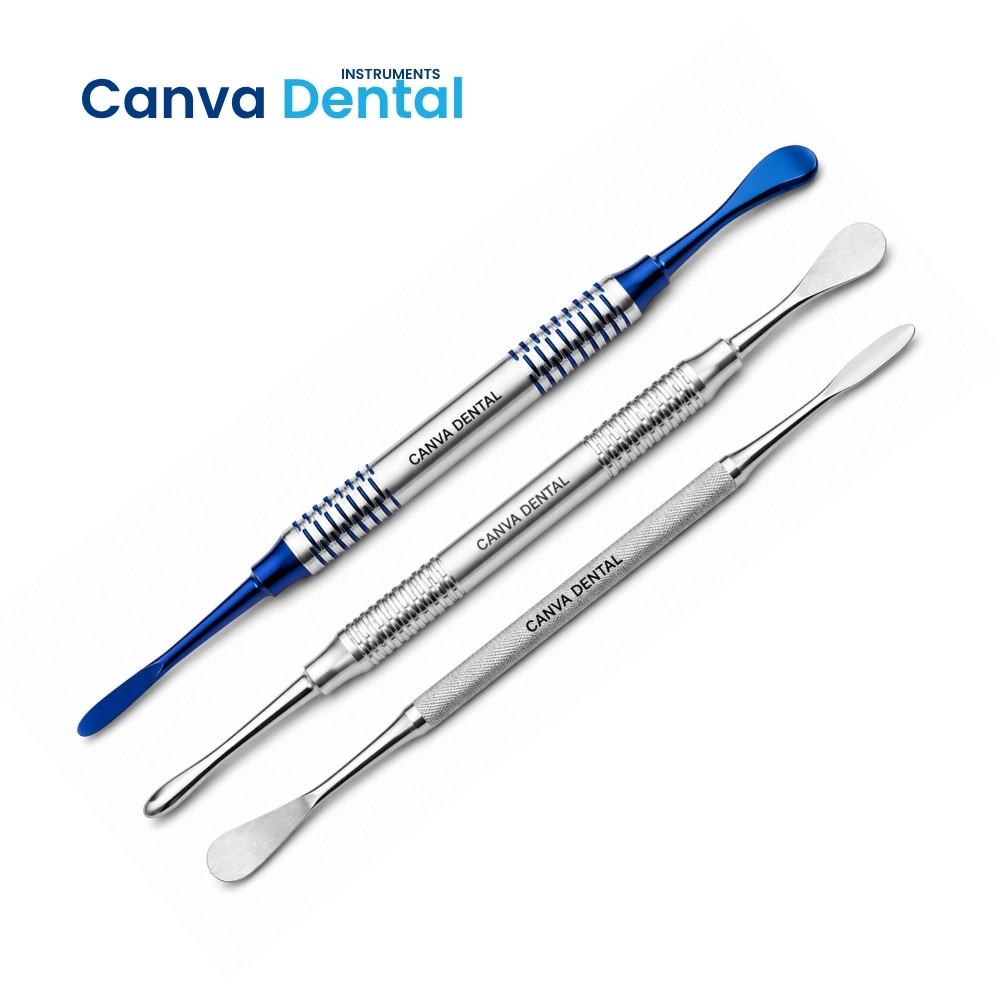
| Type | Normal, Hollow Plasma, Hollow Silver |
|---|
Reviews
There are no reviews yet.