



₨13,000
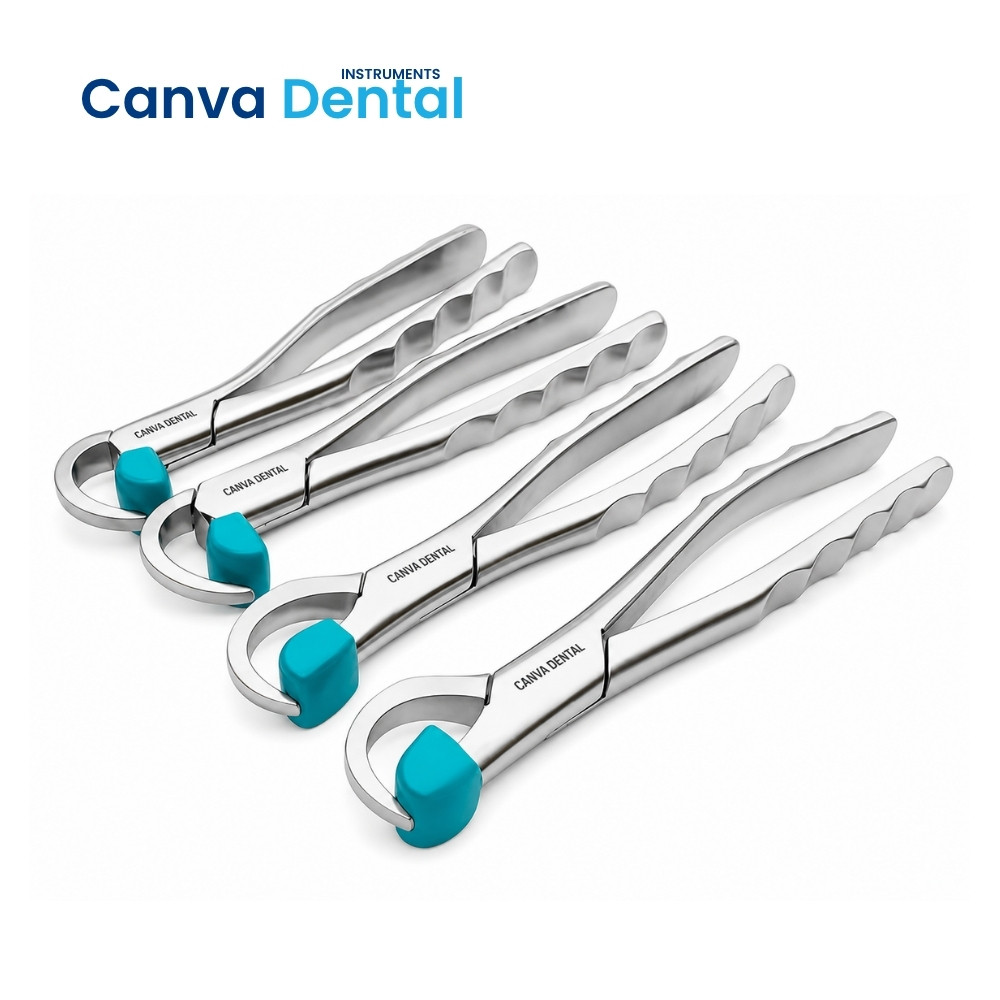
Physics Forceps represent a major shift in how dentists approach tooth extraction. Instead of using brute compression and traction like conventional instruments, this extraction system applies controlled lever-based force to expand the buccal plate and stretch the periodontal ligament gradually. As a result, clinicians achieve cleaner, faster, and far less traumatic extractions for their patients.
Because of these advantages, dental professionals across Pakistan increasingly prefer this instrument for routine and complex extractions — particularly when preserving bone for future implant placement.
Originally developed by Dr. Wayne Vieira, a US-based periodontist, this instrument applies first-class lever mechanics to tooth removal. The name itself comes from this principle: physics, not force, drives the extraction.
The system works through two components working together:
Together, these components create a lever action that gradually separates the tooth from its socket. Consequently, clinicians need far less force, and patients experience significantly less postoperative swelling and discomfort.
Traditional extraction forceps compress and pull the tooth out of its socket. Although this technique works in many cases, it often damages surrounding bone and gingiva. In contrast, atraumatic extraction forceps — such as this lever-based system — expand the socket without compression, preserving bone architecture and reducing healing time.
| Feature | Physics Forceps | Traditional Forceps |
|---|---|---|
| Mechanism | Lever and buccal expansion | Compression and traction |
| Bone trauma | Minimal | Moderate to high |
| Average procedure time | 30–90 seconds | Variable |
| Patient discomfort | Significantly lower | Higher |
| Root fracture risk | Reduced | Higher on brittle teeth |
| Implant site suitability | Excellent bone preservation | Moderate |
We stock a full range of variants to cover all extraction zones. Whether you need upper anterior, lower molar, or a complete kit, each instrument delivers the same lever-based atraumatic performance.
| Instrument Type | Recommended Use |
|---|---|
| Upper Anterior | Maxillary incisors and canines |
| Lower Anterior | Mandibular incisors and canines |
| Upper Premolar | Maxillary first and second premolars |
| Lower Premolar | Mandibular premolars |
| Upper Molar | Maxillary molars with bifurcation access |
| Lower Molar | Mandibular molars |
| Universal Kit | Full-arch extraction coverage |
Dental teams use this instrument across a wide range of clinical scenarios. Furthermore, its atraumatic design makes it especially valuable in situations where conventional instruments carry higher risk:
When a dentist plans future implant placement, the quality and volume of the alveolar bone directly determines implant success. Therefore, preserving the buccal plate during extraction is a critical step — not an afterthought.
Because this lever-based system expands rather than crushes the socket walls, clinicians retain far more bone volume after extraction. Moreover, reduced soft tissue trauma means faster healing, lower infection risk, and in many cases, eligibility for immediate implant placement at the same appointment.
We supply these instruments to dental clinics, oral surgery departments, dental colleges, and hospital procurement teams at competitive prices. Additionally, we offer bulk order discounts for institutions purchasing full extraction kits.
Contact our team for the current price in Pakistan, kit configurations, and delivery timelines to Lahore, Karachi, Islamabad, Multan, Peshawar, and all major cities.
The stainless steel body withstands repeated autoclave cycles at 134°C without corrosion or dimensional change. However, clinicians should inspect the bumper component before each sterilization cycle, since worn bumpers reduce atraumatic contact and should be replaced promptly. Proper maintenance extends instrument life and ensures consistent extraction performance across every patient procedure.
Q: How do Physics Forceps differ from regular extraction forceps?
Regular forceps grip and pull the tooth through compression. This lever-based instrument, however, expands the buccal plate gradually through controlled rotational force — so the tooth exits the socket with far less trauma to bone and soft tissue.
Q: Do these work for all types of teeth?
Yes, they work effectively on anteriors, premolars, and molars, including teeth with curved roots or hypercementosis. However, deeply impacted or surgically exposed teeth typically still require a conventional surgical approach.
Q: What is the price in Pakistan?
Pricing depends on instrument type and kit configuration. Contact us directly for the latest price in Pakistan, along with institutional pricing for dental colleges and hospitals.
Q: Is special training required?
Although the technique is straightforward for trained clinicians, a short orientation on bumper placement and lever angle is strongly recommended. Correct positioning directly determines extraction success and patient comfort.
Q: Can these instruments be sterilized?
Yes. The stainless steel body is fully autoclavable. Additionally, the bumper should be checked for wear at every sterilization cycle and replaced when needed.
https://www.ada.org/resources— reference for extraction guidelines
For complete clinical setups, explore all dental instruments here: CLICK
Reviews
There are no reviews yet.